
Exploring the Beauty and Usefulness of Round Mandala Tablecloths
Intro
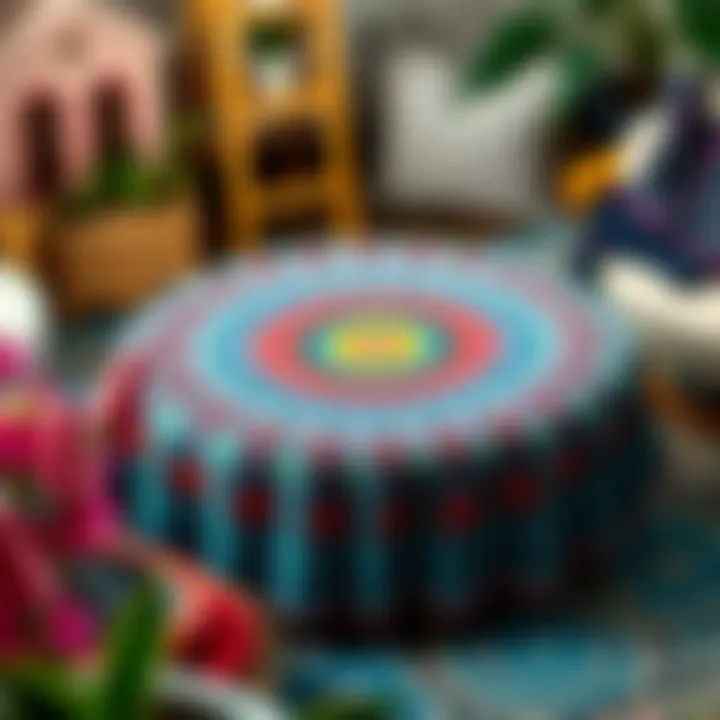
Round mandala tablecloths are more than mere accessories for your dining table; they are a rich tapestry of culture, artistry, and functionality. Their intricate designs often draw from various traditions, symbolizing harmony, unity, and balance across numerous cultures. It's fascinating how these tablecloths manage to radiate such strong visual appeal while serving practical purposes in our daily lives.
As trends in home decor evolve, the interest in unique textiles like mandala tablecloths grows, particularly among fashion enthusiasts eager to infuse their spaces with personal style. The beauty of these tablecloths doesn't just lie in their aesthetic aspects; they also possess a unique capacity to create inviting atmospheres within homes — whether it is for casual gatherings or formal dining experiences. This article aims to explore the multiple dimensions of round mandala tablecloths, their significance, and how they can transform the mundane into the extraordinary.
Clothing Trends
Seasonal Must-Haves
Like fashion, the realm of home decor undergoes seasonal transformations, and round mandala tablecloths often find their place among must-have items. In spring and summer, these tablecloths tend to showcase vibrant colors and floral patterns, capturing the spirit of renewal and freshness that the warm months bring. Here’s a closer look at how these textiles become indispensable during various seasons:
- Spring/Summer: Bright hues and nature-inspired motifs are prevalent. Think of lively blues, greens, and yellows embellished with floral designs that make gatherings feel more alive and refreshing.
- Fall/Winter: As the colder months descend, deeper tones such as burgundy, navy, and earth browns gain popularity. These colors often evoke warmth and coziness, aligning perfectly with holidays that emphasize family and togetherness.
Iconic Styles Through Decades
Tracing the style journey of mandala designs reveals how the aesthetic has evolved through decades. While the core concepts remain rooted in their cultural significance, variations arise based on fashion movements.
- 1970s: Emphasis on bohemian style led to a surge in mandala patterns, often seen in eclectic homes. Peace and love were paramount, and the symbols intertwined beautifully with that ethos.
- 1990s: A wider leisure trend pushed mandalas into the mainstream, often found adorning items such as tapestries and, of course, tablecloths. The psychedelic color mixes of that era gave them a unique edge.
- Present Day: Today, mandala designs are often paired with modern aesthetics, reflecting a blend of tradition and contemporary style. They are becoming popular in urban apartments, enhancing minimalistic decor with their intricate patterns and vibrant colors.
In this fluid transition, one aspect remains unchanged: the love for crafts that speak a universal language through their designs.
Round mandala tablecloths bring a sense of serenity and joy, making them a cherished addition to any home decor.
Fashion Tips
Styling Essentials for Every Occasion
In terms of practicality, round mandala tablecloths stand out in multiple settings. They can be used for:
- Casual Family Dinners: Lively colors can foster a relaxed atmosphere, making meal times more enjoyable.
- Formal Gatherings: Opt for elegant yet intricate designs that invoke sophistication. This bridge between art and functionality is crucial in setting the right mood.
- Celebrations: Whether it’s birthdays or anniversaries, mandala tablecloths can enhance the joy of the occasion, often serving as a vibrant backdrop.
Accessorizing to Elevate Your Look
To maximize the appeal of any setting, pairing tablecloths with the right accessories can make a world of difference. Here are a few pointers:
- Centerpieces: Use neutral tones for objects on top of the tablecloth to let the mandala design shine. Fresh flowers naturally add life.
- Cutlery and Dishware: Silver or ceramic items in warm colors can complement and bring out the intricate patterns beautifully.
- Lighting: Soft lighting can enhance the ambiance, making the designs look even more enchanting.
Ultimately, the interplay between function and aesthetics is where round mandala tablecloths truly shine, creating spaces that invite people in and foster a sense of belonging. Their charm is undeniable, blending cultural significance with modern appeal. With the right choices, one can easily align these unique textiles with their everyday decor while ensuring that the artistry is never lost.
For further insights and practical constructions on home decor, visit resources such as Wikipedia, Britannica, and relevant forums on Reddit.
Prelude to Round Mandala Tablecloths
Round mandala tablecloths are not just textiles; they are a blend of art and function that transform any space into a vibrant haven. These pieces exemplify how home decor can reflect cultural depth and aesthetic preferences while serving practical purposes in daily life. The mandala, with its deep-rooted symbolism, offers more than just visual appeal; it invites a sense of harmony and balance into environments often filled with chaos.
When exploring the compelling world of round mandala tablecloths, one must consider their ability to enhance the ambiance of various settings. Whether it’s a dining room enlivened for gatherings or a tranquil corner meant for relaxation, these tablecloths do wonders in creating a warm atmosphere. They serve as conversation starters, sparking interest about their history and the intricacies of their designs.
Moreover, the aesthetic appeal of round mandala tablecloths goes hand in hand with their functionality. Available in a myriad of designs and colors, these tablecloths cater to diverse tastes, making it easy for consumers to find a fit that resonates with their personal style. They protect tables from spills and scratches while adding a layer of artistry that elevates everyday meals or special occasions.
"The beauty of a round mandala tablecloth lies not only in its design but in the stories it tells and the memories it helps create."
Consider the versatility—these cloths can adorn tables being used for meals, create an inviting setting for indoor picnics, or even serve as a stunning background for family photos. In essence, they fulfill both aesthetic and practical roles, allowing for seamless integration into countless scenarios.
As we traverse through the chapters of this article, we will delve deeper into the significance of the mandala symbol, the evolution of tablecloth designs, the implications of color schemes, and much more. This journey will help unravel the tapestry of cultural significance and functional versatility that round mandala tablecloths truly encapsulate.
Design Characteristics of Round Mandala Tablecloths
The design characteristics of round mandala tablecloths provide a window into their aesthetic and practical significance. This type of tablecloth is much more than mere fabric draped over a table; it is a tapestry of culture, artistry, and function. These pieces often serve as focal points in a room, drawing the eye while merging beauty with everyday utility.
Color Schemes and Their Impact
Colors play a pivotal role in setting the tone for any space. Round mandala tablecloths offer a diverse palette that caters to different tastes and styles. For instance, vibrant hues such as deep reds and rich golds can evoke a sense of warmth and coziness, making dining experiences more inviting. Alternatively, softer shades like pastel blues and greens can create a tranquil ambiance, ideal for relaxed gatherings.
Moreover, the interplay of colors can significantly influence moods and promote conversations. A carefully chosen combination of colors not only enhances the aesthetic appeal but also accentuates the overall decor.
In addition to the mood-setting aspect, each color often carries its own symbolism. For example, blue might denote calmness, while yellow symbolizes energy and happiness. People can leverage these meanings when choosing their tablecloth, ensuring it resonates with their desired environment.
"Color is the keyboard, the eye is the harmonium, the soul is the piano with many strings." – Wassily Kandinsky


Patterns and Their Cultural Implications
Patterns in round mandala tablecloths are rich with meaning and history. The intricate designs often echo ancient traditions, representing concepts such as unity, harmony, and the universe. Each mandala is a unique visual story that can evoke feelings of peace and balance, making it perfect for both dining and meditative spaces.
The circular form of the mandala itself symbolizes wholeness. It often encapsulates various motifs and figures that can tell tales of different cultures and beliefs. For instance, a tablecloth featuring lotus flowers can resonate with Eastern philosophies, while geometric shapes might symbolize connection and the infinite nature of life in Western designs.
Understanding these cultural layers adds depth to the appreciation of round mandala tablecloths. They aren’t just decorative items; they are vessels of artistry that link us to various traditions around the world. The cultural implications of these designs extend beyond aesthetics, encouraging conversations about heritage and collective practices.
Ultimately, when selecting a round mandala tablecloth, one should consider not only the immediate visual appeal but also the layers of meaning embedded within its colors and patterns. Such considerations help enhance the overall atmosphere of the space and cater to the preferences of those who will gather around the table.
Materials Used in Tablecloth Production
When it comes to round mandala tablecloths, the choice of materials plays a pivotal role. The fabric not only affects the aesthetic appeal but also the functional aspects, such as durability, comfort, and maintenance. Understanding the types of materials available and their respective benefits is key for anyone looking to enhance their living spaces with these artistic creations.
Natural Fibers vs. Synthetic Materials
Natural fibers, like cotton, linen, and silk, are often prized in the world of textiles for their breathability and softness. Cotton, in particular, has stood the test of time for its versatility. It’s easy to wash and generally gets softer with each wash, making it a favorite for both casual dining and more formal settings. Linen, although it requires more care, boasts a unique texture and drape that adds a rustic charm. For those who prefer a luxurious feel, silk offers an unmatched sheen and feel, though it's best suited for decorative purposes rather than high-use scenarios.
On the other hand, synthetic materials, like polyester and nylon, have gained popularity due to their durability and lower cost. These fabrics resist fading and stains, making them suitable for families with children or pets. Not only are they often more affordable, but they can also mimic the look and feel of natural fibers, offering a wide variety of design choices.
When comparing natural and synthetic materials, consider the following factors:
- Comfort: Natural fibers typically feel better against the skin.
- Durability: Synthetic options like polyester tend to last longer and hold up better against spills and dirt.
- Maintenance: Natural fabrics may require more delicate care, while synthetics can usually be tossed in the washing machine without worry.
In closing, both types of materials offer distinct advantages. It's essential for consumers to assess their specific needs and preferences to find the right match for their round mandala tablecloths.
Durability and Care Considerations
Durability goes hand-in-hand with the material choice, and it’s crucial when selecting a tablecloth that will be used regularly. The last thing anyone wants is for a decorative item to become frayed and worn shortly after purchase.
Natural fibers, while beautiful, can sometimes struggle with high wear and tear. Cotton can withstand a lot but might fade over time, especially if it’s exposed to direct sunlight regularly. Therefore, it’s worth considering a space where the tablecloth will be used often, as that can impact its longevity.
Synthetic materials like polyester have become a go-to for those prioritizing resilience. They resist stains and are often treated to be anti-wrinkle, which is perfect for those who lead busy lives. However, it is vital to note that proper care is still important, regardless of the material. Here are some care tips to keep in mind:
- Machine Wash or Hand Wash: Always consult the care label to determine the best washing method.
- Ironing Needs: Different fabrics require different heat settings on an iron. Make sure to check whether your cloth can handle high temperatures.
- Stain Removal: For spills, it’s best to act quickly. Blot the stain instead of rubbing it to avoid setting it.
Ultimately, the longevity of a round mandala tablecloth comes down to wise material choices and ongoing care. Integrating both aesthetics and functionality can result in a beautiful piece that complements your space and withstands everyday use.
"The right material can elevate a simple tablecloth to a centerpiece in your home decor, making it both eye-catching and practical."
For more insights on textile care, you can check out resources from Woolmark or explore discussions on Reddit about people’s experiences with tablecloths in various materials.
Functional Uses of Round Mandala Tablecloths
Round mandala tablecloths carry a unique blend of beauty and practicality. Their functional roles are not only about adding visual appeal but also serve in various practical contexts, making them indispensable in contemporary settings. Whether you're hosting a dinner party or simply looking to elevate your home decor, these tablecloths seamlessly merge artistry with use. By understanding their functional uses, one can appreciate how these textiles fit into everyday life while enhancing aesthetic enjoyment.
Dining and Entertaining
In the realm of dining and entertaining, round mandala tablecloths serve multiple purposes. Their vibrant colors and intricate patterns often become conversation starters, effortlessly setting the mood for family gatherings or festive celebrations. The tablecloth acts not only as a protective layer for your table but also as a canvas for the dinnerware and centerpiece, tying together the overall theme of the occasion.
When hosting an event, consider the following benefits of utilizing a round mandala tablecloth:
- Protection: A tablecloth shields surfaces from spills, scratches, and heat damage, ensuring that your dining table remains pristine for years to come.
- Aesthetic Appeal: The artistic designs can transform an ordinary meal into a special experience, with unique motifs enhancing the beauty of each setup.
- Cohesiveness in Design: When matched with appropriate decor elements, such as matching placemats or decorative centerpieces, the tablecloth unifies the overall ambiance.
Moreover, round mandala tablecloths can easily transition from casual family dinners to upscale gatherings, making them a versatile choice for any occasion.
Home Decor Enhancements
Round mandala tablecloths also serve a significant role in home decor, becoming key elements in crafting inviting spaces. These textiles offer a unique way to express personal style and add character to a room. Adding such tablecloths can improve the visual flow throughout your home, creating spots that are both functional and aesthetically pleasing.
Here are several considerations where these tablecloths shine:
- Versatility in Styling: They can be used in various spaces beyond dining areas—think side tables, coffee tables, or even as wall hangings. This adaptability lets you integrate them into your home in creative ways.
- Layering Effect: By layering a round mandala tablecloth over another textile, you can add depth and contrast, enriching the visual texture of your interiors.
- Creating Zones: In open floor plans, using distinct patterns or colors can help delineate different spaces within a home, encouraging a feeling of coziness and intent.
As such, the use of round mandala tablecloths can significantly impact the perception of space and style, allowing for unique expressions of individuality in home decor.
"Incorporating elements like round mandala tablecloths reveals more than just taste; it showcases a mindful approach to creating environments that resonate with personality."
In summary, the functional uses of round mandala tablecloths extend far beyond their surface appeal. Their ability to enhance dining experiences and contribute to home decor makes them significant in numerous contexts, intertwining holidays, rituals, and daily life with rich cultural meanings.
Cultural Significance of Mandala Patterns
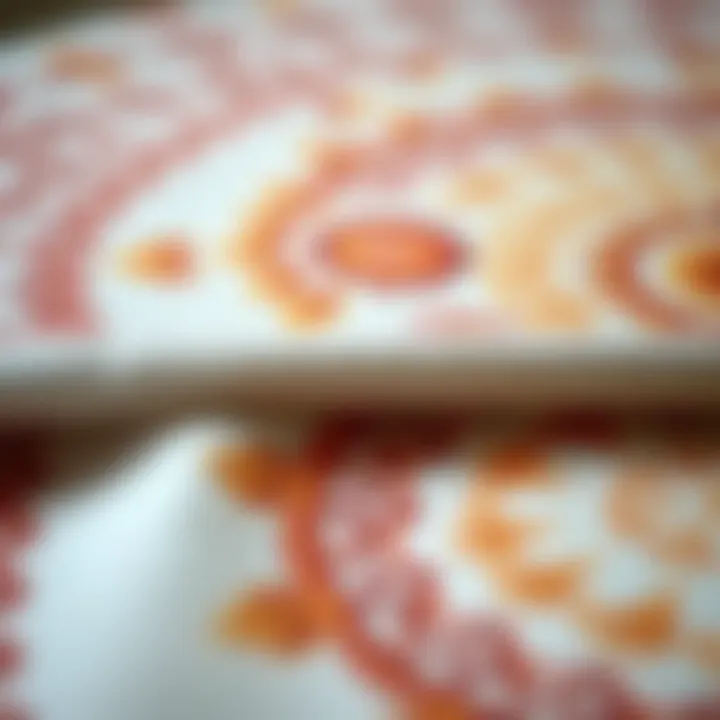
When discussing round mandala tablecloths, it is essential to comprehend their cultural weight. A mandala, deriving from the ancient Sanskrit word meaning "circle," embodies more than just a geometric figure. It's a visual representation that goes beyond aesthetics, seeking to portray the complexity of existence.
Many individuals find themselves captivated by these intricate designs, but the significance runs much deeper. These patterns are often linked to spirituality and meditation, serving as tools for reflection and inner peace. Their circular form symbolizes wholeness, a quality that transcends cultures and traditions. By integrating round mandala tablecloths into home decor, one not only enhances the visual appeal of a space but also invites a sense of harmony and balance.
Historical Context of Mandalas
Understanding the historical context of mandalas reveals their journey through time and the cultures that embraced them. Originating in ancient India, mandalas were primarily used in Buddhist and Hindu practices. They served as spiritual icons, guiding practitioners in meditation. Over centuries, these patterns migrated across regions - from the sacred texts in India to stunning temple murals in Southeast Asia. Different cultures adopted and adapted these designs, integrating them into their art and rituals.
Mandalas appear in Tibetan Buddhist thangkas, intricate paintings that narrate various aspects of spiritual practice. In contrast, in Western contexts, the use of mandalas has emerged predominantly as a contemporary art form, where artists express their feelings and experiences through circular designs. This journey reflects the adaptability and universality of mandalas, captivating a diverse array of audiences.
Mandala Usage Across Different Cultures
Different cultures employ mandalas in various contexts, each with unique interpretations and significance. For example,
- Buddhist Cultures: Mandalas are meticulously crafted as part of meditation practices. They often represent the cosmos or spiritual journey, guiding practitioners to a higher understanding.
- Hindu Traditions: In Hinduism, mandalas represent the universe's structure, commonly found in rituals and designs of temples.
- Native American Practices: Some Native American groups use circular patterns to reflect their connection to nature, emphasizing the cyclical nature of life.
- Modern Art and Design: Today, many artists incorporate mandala-like structures into modern art, seeking to bridge spiritual and contemporary worlds.
Selecting the Right Round Mandala Tablecloth
Selecting the right round mandala tablecloth involves more than just picking a pretty pattern. It's about understanding the harmony between your table's surface and the unique charm a mandala can bring to your space. The right choice enhances not just the appearance of the table but the overall aesthetic of the room. When considering which round mandala tablecloth to buy, one should look into different aspects such as size, fit, style, and even the message you want to convey through design.
Sizing and Fit for Different Tables
It's crucial to ensure your tablecloth properly fits your dining table or any surface you intend to dress up. A too-small tablecloth may lead to an unkempt look, while one that's overly large could create a cluttered feel. To find the right size:
- Measure the Table: Start by measuring the diameter of your table. For round tables, this is typically quite straightforward. Remember to consider whether you'll use any tableware that might require extra space.
- Length Matters: Decide on how long you want your tablecloth to drape. For a casual dining experience, a drop of about 6 to 12 inches can work well. For formal occasions, a longer drop can impart elegance.
- Account for Shape Variants: If your table has a unique shape or is expandable, you'll want a tablecloth that can accommodate those changes without looking out of place.
As a suggestion, round tablecloths often look more pleasing when they hover just above the edge of the table, rather than pooling at the bottom. This creates a clean and tidy appearance.
Choosing the Right Style for Your Decor
The round mandala tablecloth you choose should resonate with the overall theme of your room. Consider these factors when you select:
- Color Coordination: Think about the colors already present in your space. Are your walls bright? Then a more subdued mandala with hints of your existing color palette might be ideal. Conversely, if you have a minimalist space, a vibrantly colored mandala can serve as a stunning focal point.
- Cultural Significance: Many mandalas carry rich cultural meanings. Selecting one that speaks to you or fits the narrative of your home can deepen its emotional impact. For instance, a Tibetan mandala may reflect spirituality, while an Indian one may evoke a sense of festivity and warmth.
- Texture and Material: Ensure that the fabric's texture aligns with your decor. If your aesthetic leans toward rustic charm, a cotton or linen tablecloth could be a perfect match. For a more elegant look, you might opt for silk or a glossy synthetic fabric.
A well-chosen tablecloth serves as a conversation starter, enhancing both the mood of a room and the experience of its inhabitants.
In the evolving journey of home decor, selecting the right round mandala tablecloth stands out as an essential step towards creating an inviting ambiance that signifies comfort and creativity.
Styling Tips for Round Mandala Tablecloths
Round mandala tablecloths are more than just practical items; they are statement pieces that can completely transform a space. The right styling can turn a simple setup into a stunning focal point, reflecting personality and taste. With their intricate designs and vibrant colors, these tablecloths can set the tone for an entire room. Thus, understanding how to style them is key for anyone looking to elevate their home decor.
Layering with Other Textiles
Layering is a simple yet effective way to add depth and interest to your decor. When it comes to round mandala tablecloths, you can experiment with various textiles to create a rich, inviting look. Consider these options:
- Natural Fabrics: Pair your tablecloth with linen or cotton napkins for an organic feel. This combination works wonders in keeping things casual while still being visually appealing.
- Bold Patterns: If you have a plain or muted base layer, don’t shy away from mixing patterns. A solid-colored table runner over the mandala tablecloth can bring attention to its detailed designs.
- Textured Materials: Incorporate burlap or lace for a rustic or vintage touch. Such contrasts can highlight the delicate mandala patterns beautifully.
When layering, make sure to think about color coordination. Often, choosing hues that complement the primary colors of the mandala can create a harmonious look. Formulating a balance is crucial, a little goes a long way. If you overdo it, your table could end up looking cluttered rather than curated.
Accessorizing Spaces with Tablecloths
Accessorizing around your round mandala tablecloth is essential for pulling a room's design together. It's not just about placing the cloth on the table; it's about how it interacts with the rest of your decor. Here are some tips:
- Centerpieces and Decorations: A vibrant tablecloth can set the stage for interesting centerpieces. Think natural elements like fresh flowers in a simple vase, or more elaborate arrangements depending on the occasion.
- Lighting: Incorporate ambient lighting by adding candles or fairy lights around the table. The soft glow can enhance the intricate designs of the mandala, creating an inviting atmosphere during evening gatherings.
- Functional Items: Use stylish coasters or matching dinnerware that complements your tablecloth. This not only maintains the aesthetic but makes the setting practical as well.
Accessorizing is all about personal touch. Each item you include should resonate with your personal style or a theme. Remember, it's about creating a cohesive look that marries aesthetics with functionality.
Blockquote:
"The right styling can turn a simple setup into a stunning focal point, reflecting personality and taste."
Sustainable Practices in Tablecloth Production
As the world becomes increasingly aware of environmental issues, the choice of materials and production methods in the textile industry has come under scrutiny. Round mandala tablecloths, with their vibrant designs and multifunctional uses, are no exception. Sustainability in tablecloth production not only promotes eco-friendly practices but also resonates deeply with consumers who prioritize ethical consumption. This section delves into the core elements of sustainable practices in the production of round mandala tablecloths, highlighting the importance of these practices and their benefits.
The fabric industry has a notorious reputation for depletion of natural resources and generating waste. Thus, sustainable practices aim to minimize the environmental impact by adopting eco-conscious methods. This includes everything from sourcing materials that are renewable, to utilizing production processes that reduce water consumption and carbon emissions. When consumers choose round mandala tablecloths made under sustainable guidelines, they are voting with their wallets for a greener future.


It’s not just the planet that benefits. Sustainable practices can lead to high-quality products, often made from natural fibers like organic cotton, bamboo, or linen. These materials not only last longer but are also less harmful to the skin, making them a healthier choice for homes. Furthermore, sustainable production practices often involve artisanal techniques, which can enhance the aesthetic appeal of products. The intricate patterns of mandala designs can be more lovingly crafted by hands trained in traditional methods, resulting in unique, high-quality tablecloths.
Ethical Sourcing of Materials
One of the pillars of sustainability is the ethical sourcing of materials. For round mandala tablecloths, this means ensuring that the fibers used in production are obtained responsibly. This includes not only the raw materials, like cotton, but also the inks and dyes that give these beautiful tablecloths their color. Ethical sourcing often involves working directly with farmers and artisans who uphold sustainable farming practices.
Moreover, by supporting fair trade programs, consumers can ensure that the farmers receive a fair wage and work under safe conditions. This transparency builds a connection between the buyer and the producer, fostering community and trust.
"Choosing a tablecloth is not just about aesthetics; it’s about the story behind the product. With every purchase, you can contribute to the betterment of farmers and creators preserving their craft for future generations."
The push for ethically sourced materials is also fueled by the demand for authenticity. Consumers now prefer products that tell a story, which is often rooted in the traditions and cultures they represent. Round mandala tablecloths made from ethically sourced materials resonate with consumers looking to enhance their homes while making a conscious choice.
Consumer Responsibility and Awareness
As our society grows increasingly connected, consumer responsibility and awareness have become crucial components in the discussion around sustainability. Each purchaser holds a significant power in the marketplace, influencing trends and driving companies to adopt more sustainable practices. When it comes to round mandala tablecloths, informed consumers are making choices that align with their values.
Here are a few ways consumers can enhance their awareness:
- Research brands to understand their sourcing and production practices.
- Look for certifications such as Fair Trade or Organic.
- Question the lifecycle of products before making a purchase.
By understanding the implications of their choices, consumers can opt for tablecloths that represent not just beauty, but also responsibility. As a collective, these choices can lead to a demand for higher ethical standards in tablecloth production, setting a precedent for the industry as a whole.
Crafting Custom Mandala Tablecloths
Creating custom round mandala tablecloths holds a unique charm and significance in the world of interior decor. The power of customization allows individuals to express their personality and creativity, particularly when it comes to home settings. Each tablecloth can become a piece of art, adding a personal touch to spaces while also enhancing the aesthetic appeal of a room. There are several specific elements to consider when embarking on this crafting journey.
One of the key benefits of crafting your own mandala tablecloth is the freedom it provides in terms of design choices.
- Personal Expression: You can incorporate symbols or motifs that resonate deeply within your own life, ensuring the tablecloth is not just another decorative item but carries meaning.
- Tailored Fit: When creating a custom piece, you are not just limited to conventional sizes. You can measure your table and choose dimensions that fit perfectly, making the tablecloth's drape and fit more visually appealing.
- Material Selection: Choosing specific fabrics not only impacts the look but the feel of the tablecloth. Whether it's a soft cotton blend or a more durable linen, you have the last say on what best suits your needs.
However, crafting custom round mandala tablecloths does come with considerations. First, the skills needed for crafting can vary. While some might have a knack for sewing, others may face challenges. Learning to sew or paint can be a fulfilling but initial step. If you feel that’s not your calling, researching local workshops or online tutorials can offer valuable guidance.
Moreover, consider the budget. Custom creations might initially seem costly—tools, materials, and time commitment can add up. But in reality, the investment often yields a one-of-a-kind piece that enhances both aesthetics and functionality in your home. Therefore, rather than viewing it as an expense, consider it as purchasing a unique art piece for your space.
Exploring DIY Options
The realm of DIY crafting offers endless possibilities when it comes to round mandala tablecloths. For those who enjoy getting their hands dirty, this is a chance to immerse yourself in creative expression.
Delving into DIY allows you to:
- Create Unique Designs: There is hardly anything more satisfying than saying, "I made that!" You can choose colors, patterns, and styles that resonate with your vision.
- Make it a Family Activity: Involving family or friends in the crafting process can lead to cherished memories. Everyone can contribute different ideas, making each tablecloth a collective effort.
- Learn and Innovate: The learning curves associated with DIY can be quite rewarding. From exploring patterns to learning sewing techniques, each creation can teach valuable lessons.
For practitioners diving into their first DIY project, here are some materials and tools you might need:
- Fabric of your choice
- Sewing machine (or needle and thread for hand sewing)
- Paint or dye for pattern creation
- Scissors and measuring tape
There are multiple techniques to explore, such as tie-dye, screen printing, or even hand-painting mandala designs directly onto your fabric. The only limits are your imagination and resources.
Working with Artisans
Should DIY not be your cup of tea or you're after a professionally crafted item, collaborating with artisans presents a fantastic alternative. Artisans bring the fine touch and unique skills that can truly elevate your tablecloth.
- Support Local Artists: When you work with artisans, you not only invest in a quality product but also support local economies. This practice fosters a sense of community and sustainability.
- Customization Details: By communicating directly with the artisan, you can specify design nuances, colors, and materials that withstand trends and tides—a benefit that mass-produced items simply can't match.
- Timeless Designs: Many artisans draw from cultural heritage to create unique patterns that weave rich narratives. With the right artisan, your tablecloth can indeed be a conversation starter, weaving stories that echo through generations.
When searching for artisans to work with, consider utilizing platforms like Etsy or local craft fairs where artisans showcase their work. Social media, particularly Facebook and Instagram, can also be invaluable as many artists share their portfolios and connect with clients.
Crafting and collaborating on custom mandala tablecloths not only enhances your home decor but also imbues it with personal significance that transcends mere aesthetics.
Closure: Embracing Round Mandala Tablecloths in Modern Aesthetics
In a world where aesthetics and functionality often find themselves at odds, round mandala tablecloths bridge the gap beautifully. Their unique circles embody harmony and unity, making them not only eye-catching but also deeply meaningful. This article sheds light on the appeal of these textiles, revealing the layers of cultural significance and artistic expression woven into their designs.
Round mandala tablecloths go beyond mere decoration; they offer a canvas for personal expression. By incorporating these tablecloths into one’s home, individuals can reflect their style while appreciating a piece of art that has been crafted with intention. This aspect cannot be overlooked, as more people feel the need to create environments that resonate with their identity and values.
Benefits of Embracing Round Mandala Tablecloths
- Versatility in Design: With various colors, patterns, and materials available, there's a round mandala tablecloth for every taste and occasion. Whether used for formal dining or cozy get-togethers, they can seamlessly adapt to varied settings.
- Cultural Richness: Their roots in various traditions—ranging from Eastern philosophies to Indigenous art—serve as a reminder of our interconnectedness. Incorporating mandalas into home decor can spark conversations and foster cultural appreciation among guests.
- Enhancement of Space: The nature of the mandala’s design can uplift a room’s mood and energy. An inviting tablecloth might transform a mundane dining experience into something magical, making gatherings more memorable.
Overall, these tablecloths are an excellent choice for anyone looking to infuse their space with both beauty and purpose.
"Choosing a round mandala tablecloth is not simply about style; it is about inviting a deeper level of consciousness into your space."
Final Thoughts on Mandala Integration
Integrating round mandala tablecloths into modern aesthetics is an invitation to explore personal and collective consciousness. They encapsulate the essence of mindfulness, urging us to appreciate both the intricate details of their patterns and the stories behind them. When selecting a mandala tablecloth, one ought to consider not just the color or design but how it resonates with personal meaning and the vibe of the space.
In today's fast-paced world, making mindful choices in home decor reflects a broader trend toward sustainability and intentional living. Round mandala tablecloths embody this ethos, representing a convergence of art, function, and cultural significance. As we embrace such pieces, we enhance our spaces and foster appreciation for the intricate designs and messages they carry.